



Event Name: Akshayakalpa
Objective:
Outcome:
Akshayakalpa Farms & Foods Pvt Ltd is a pioneering organic farming company that specializes in the production and sale of certified organic dairy and farm products. Founded in 2010, the company has been working towards regenerating Indian agriculture by promoting sustainable farming practices. With a commitment to organic farming, Akshayakalpa focuses on providing natural and chemical-free food products while supporting farmers in rural India. The company is located in various regions, including Bangalore, Chennai, and Hyderabad, and it operates across more than 900 villages, including regions with farmers aged 45 years and above.
Brief Summary of the Industrial Visit to Akshayakalp
our visit to Akshayakalpa Farm was an enriching experience, beginning with a warm and traditional welcome. As we arrived, we were greeted with fresh yogurt, a gesture of hospitality that immediately set a positive tone for the visit. The host, Mr. Anil Kumar, was exceptionally humble and polite, patiently explaining every aspect of the farm with great detail.
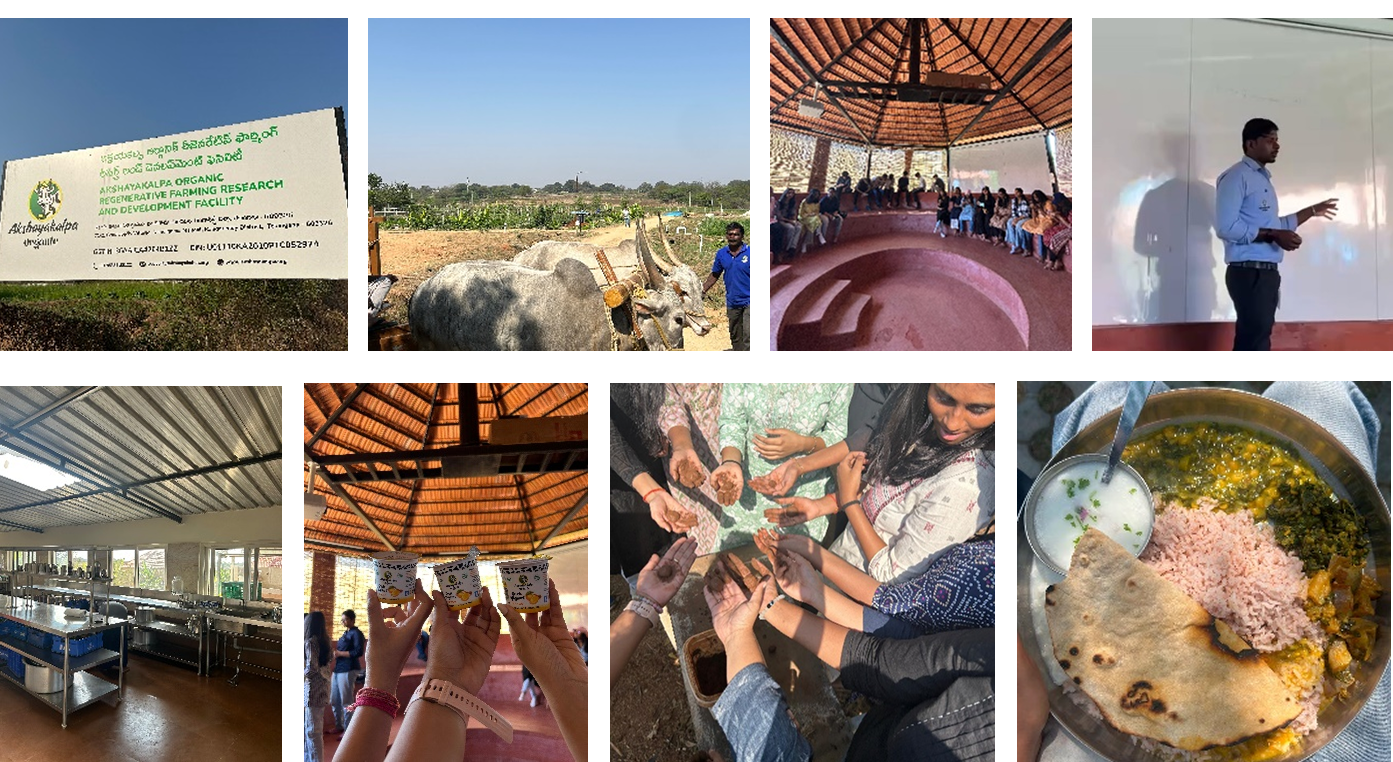
We entered the farm in a bullock cart, giving us a truly rustic and authentic experience. The farm's commitment to hygiene and sustainability was evident in every aspect of its operations. They strictly follow all hygiene protocols, ensuring cleanliness in food production and overall farm management. One of the highlights was the self-service system, emphasizing responsibility and sustainability.
For lunch, we were served a wholesome meal made from fresh, organic vegetables grown on the farm. The food was not only delicious but also a testament to their commitment to chemical-free and natural farming. The entire experience showcased Akshayakalpa’s eco-friendly and ethical approach to agriculture, making it an inspiring and educational visit.
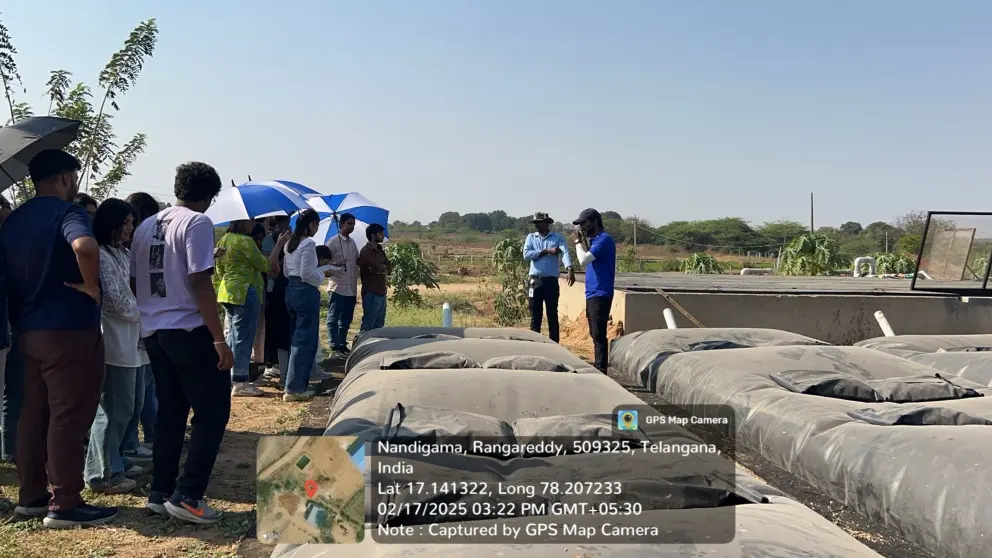
(Students learning about manure production on farm)
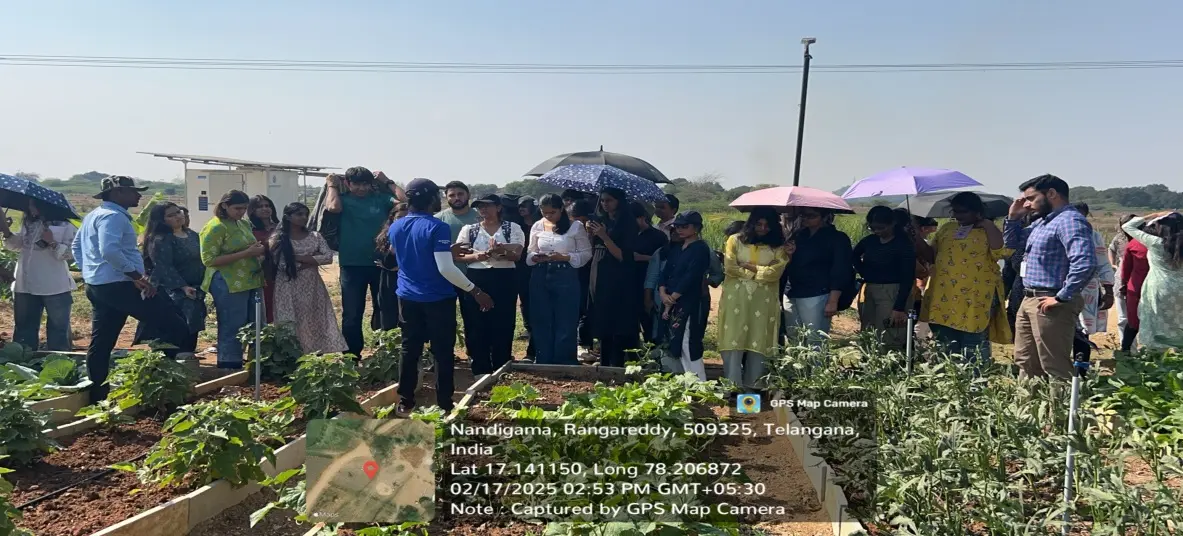
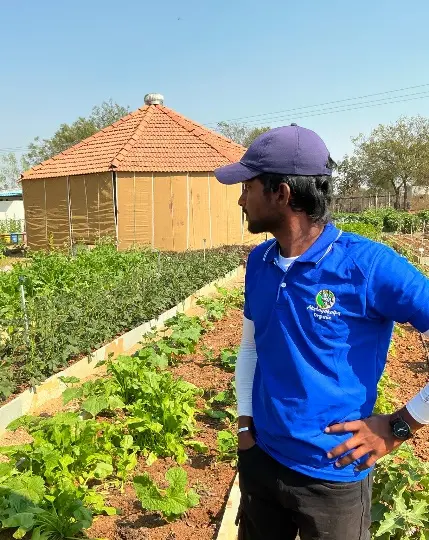
(Students along with their faculty members visiting vegetable beds of different crop on farm)
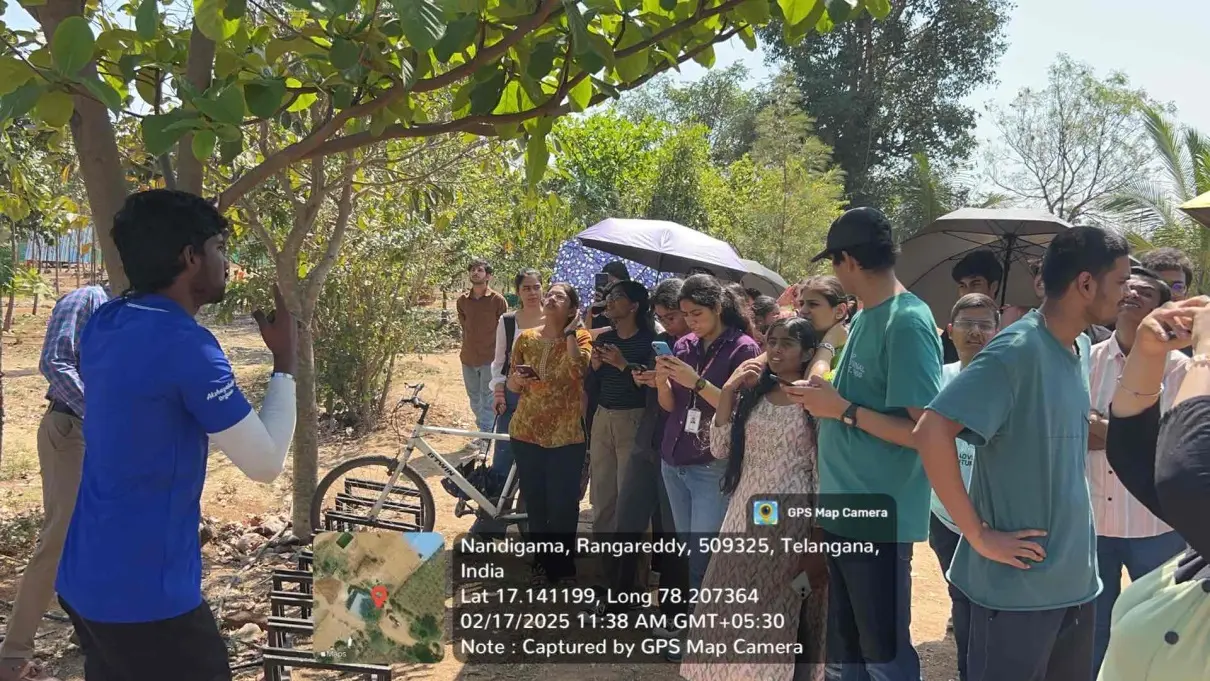
(Students learning how to convert farm waste into manure)
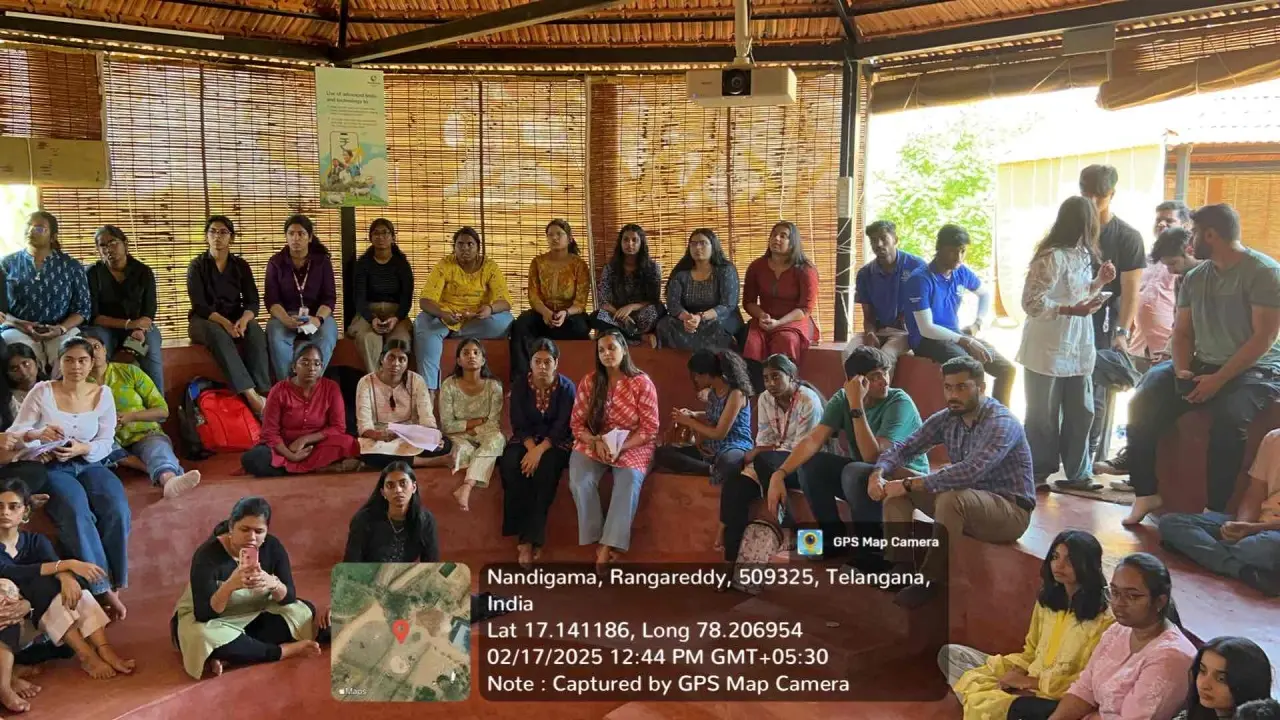
(During break resting at farm hut)
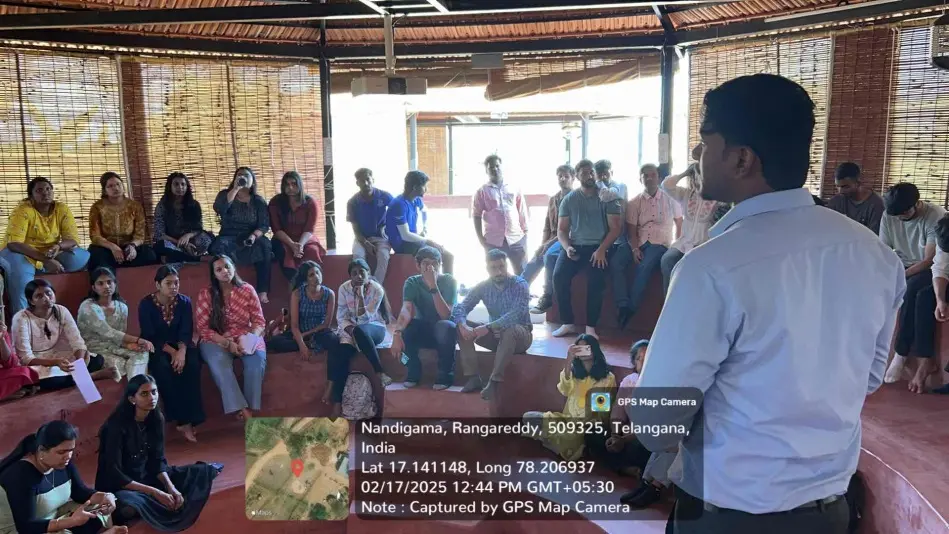
(Demonstration by Akshayakalapa farm representative)
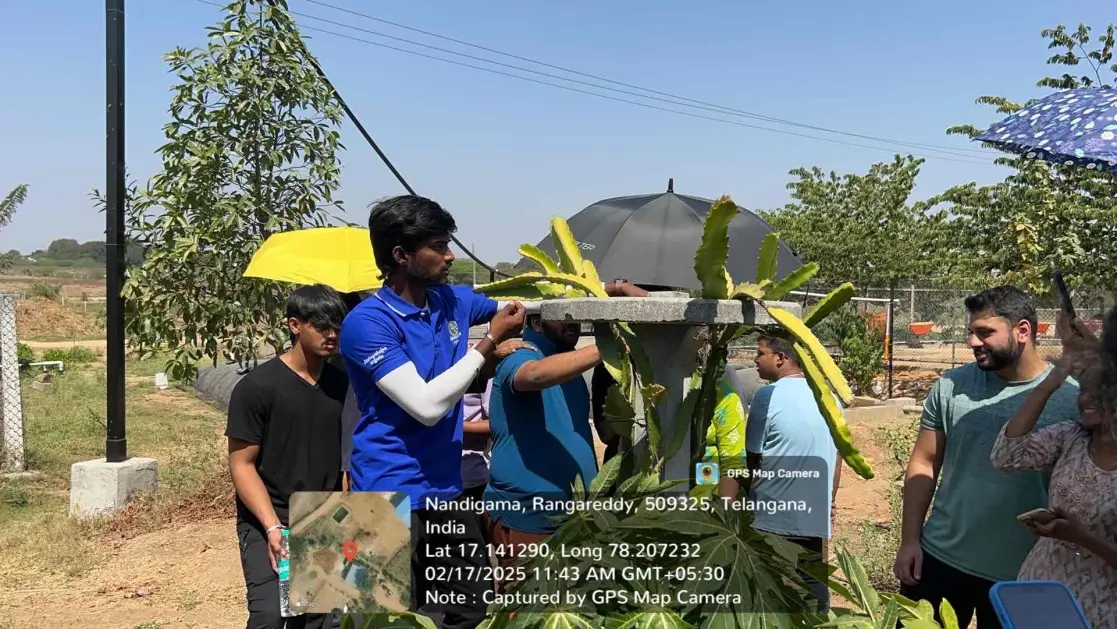
(Taking visit and demonstration of farm plants by farm representative)
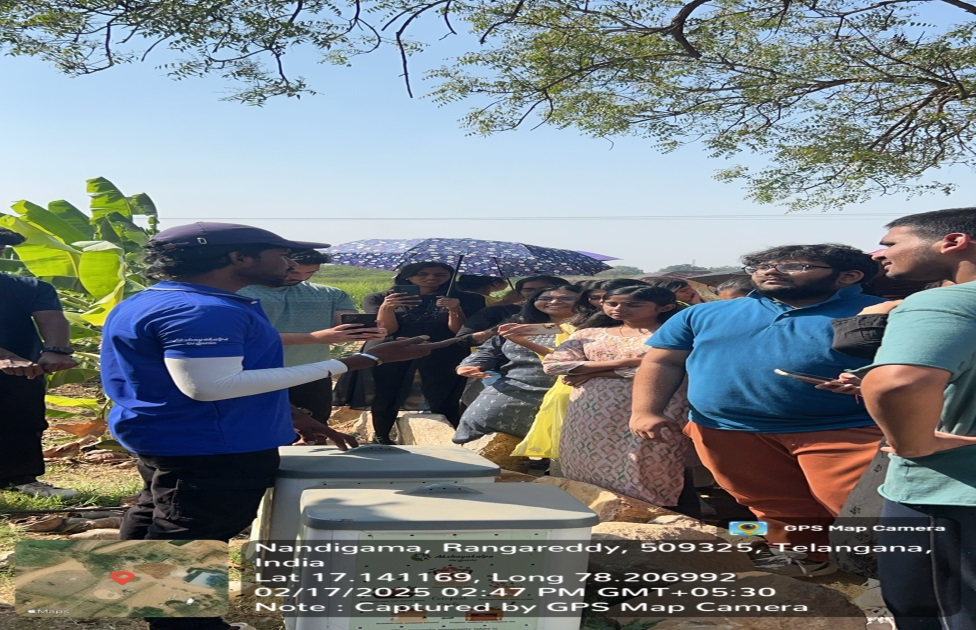
(Students learning how to convert farm waste into manure)
1.Sweet Tamarind (Imli) – A tropical fruit known for its tangy-sweet pulp, commonly used in chutneys and candies.
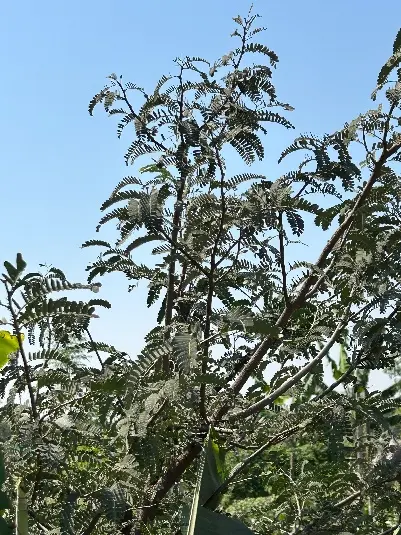
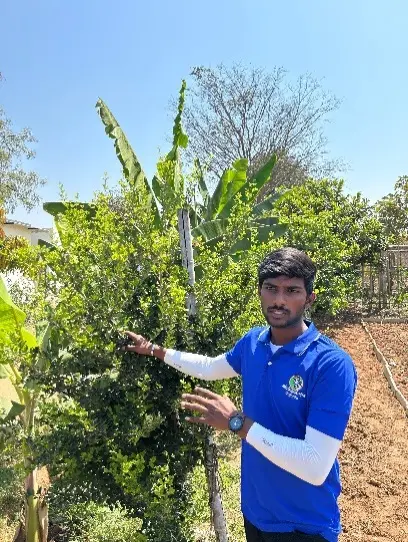
2. Cherry– A rare and exotic fruit that typically grows in cold climates, but Akshayakalpa cultivates it in hot conditions by mixing sugar syrup to balance its natural sourness.
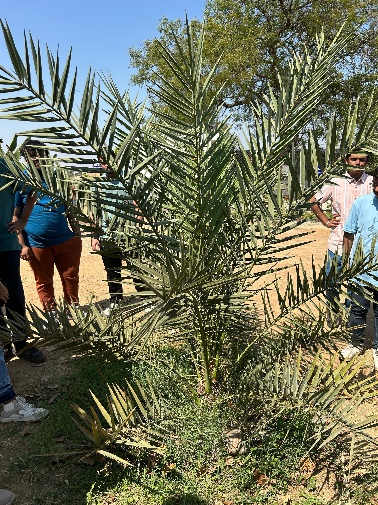
3. Dates (Dry Dates) – A short-height desert plant from the palm family that requires minimal water; this 1.5-year-old plant will yield fruit in 2.5 years.
4. Custard Apple (Sitaphal) – Comes in varieties like Rama Fal (cancer-treating properties), Laxman Fal (C-shaped), and Hanuman Fal (large in size).
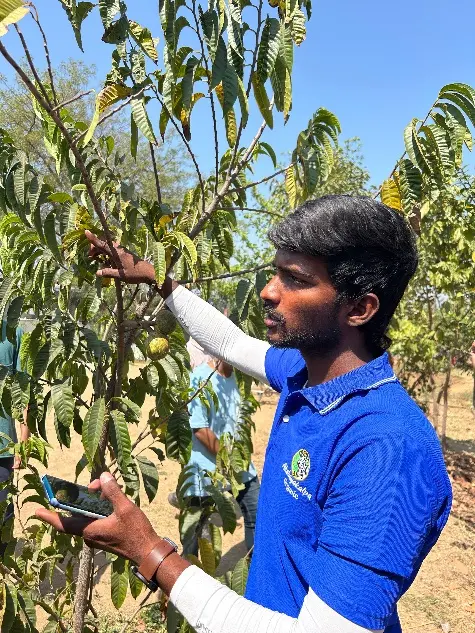
5. Star Fruit– A tropical fruit shaped like a star when sliced, known for its tangy-sweet taste.
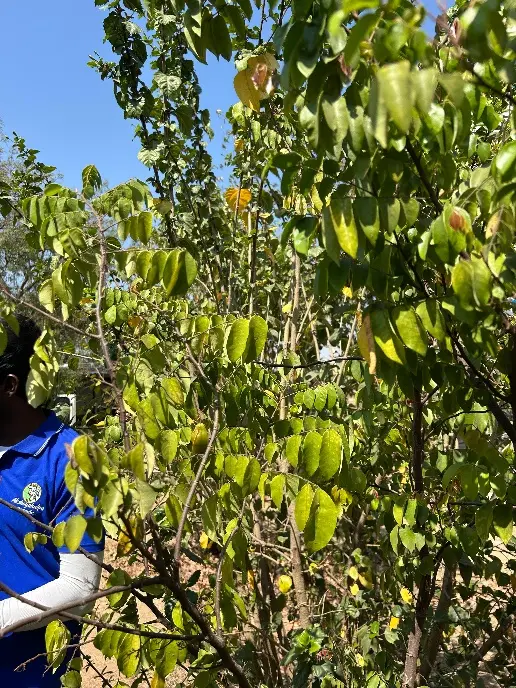
6. Litchi – A rare and exotic fruit mainly grown in Bihar, with this particular plant being just 1 year old.
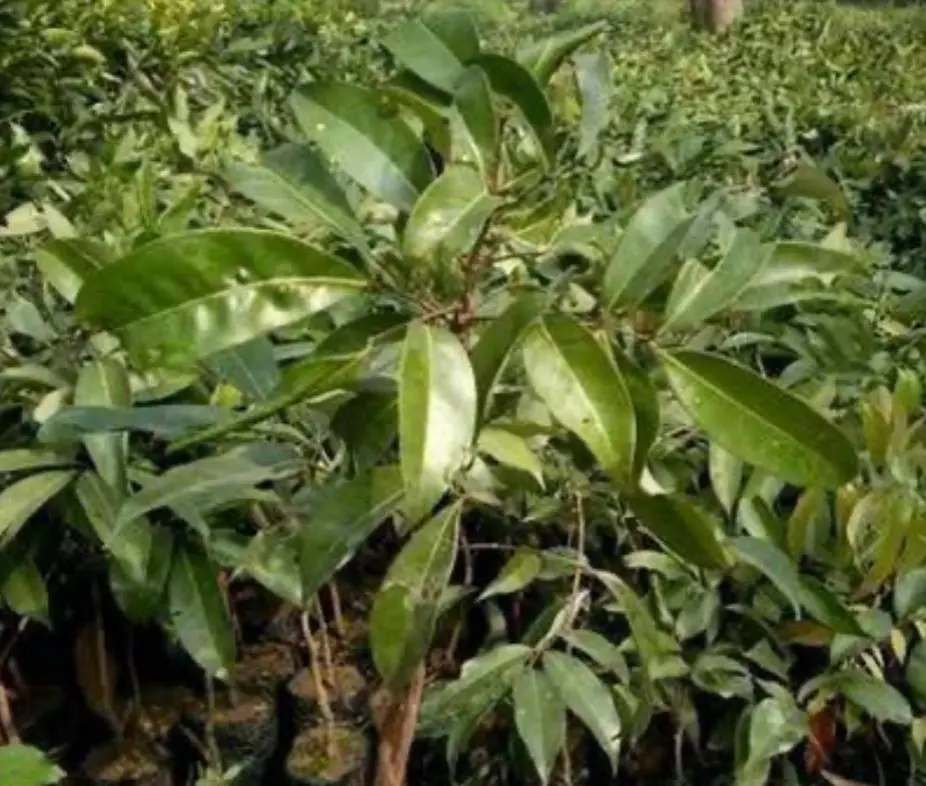
7. Jamun – A deep purple fruit with medicinal benefits, known for its astringent taste and blood sugar-regulating properties.
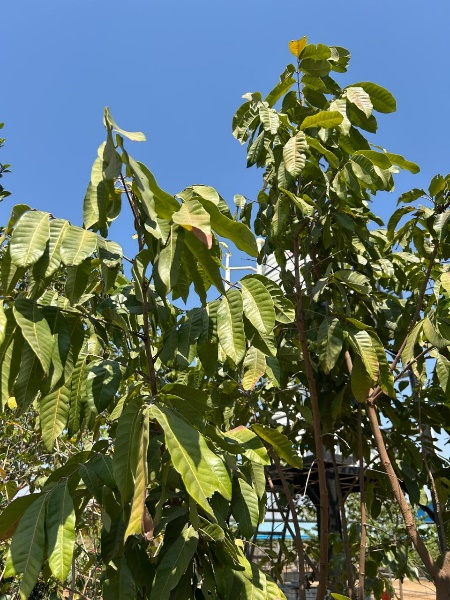
8. Almond– The commonly consumed variety is from California, whereas this is an Indian almond species.
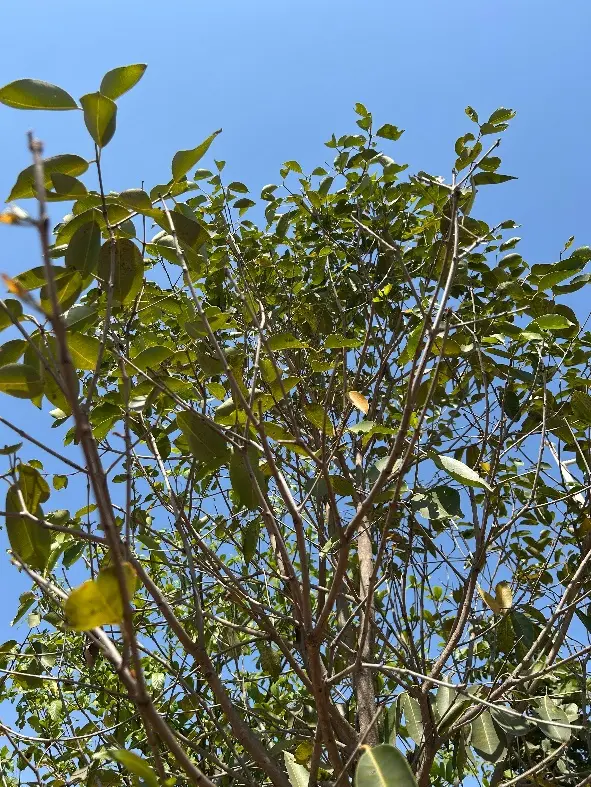
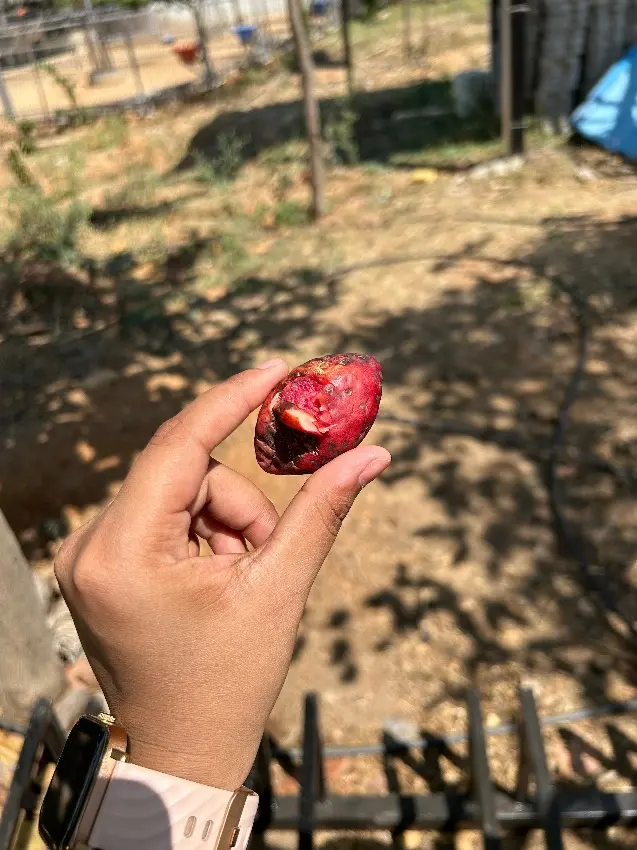
9. Ponasa (Local Hyderabad Variety) – A fruit-bearing plant yielding twice a year; unripe fruit is sour (used for pickles), and ripe fruit is sweet, but the yield is low, making it less favorable for farmers.
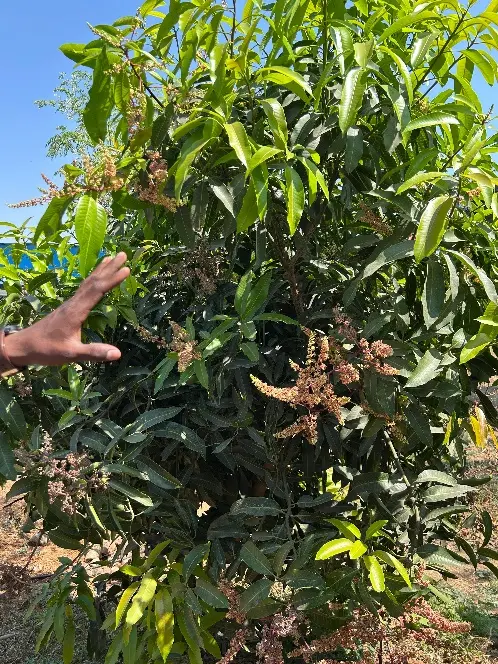
10. Mehendi (Henna) – A shrub whose leaves are used to make natural dye for body art and hair coloring.
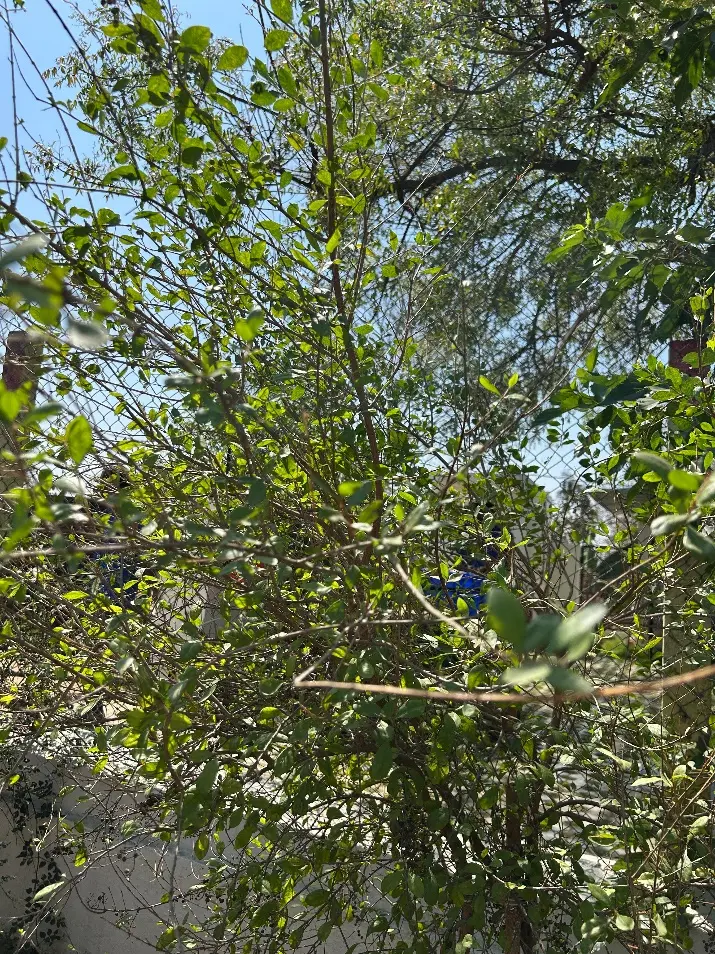
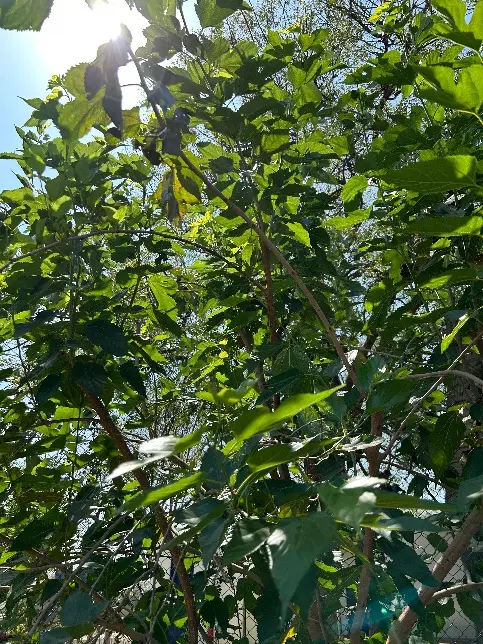
11. Mulberry– A tree cultivated for its leaves, which are the primary food source for silkworms in sericulture.
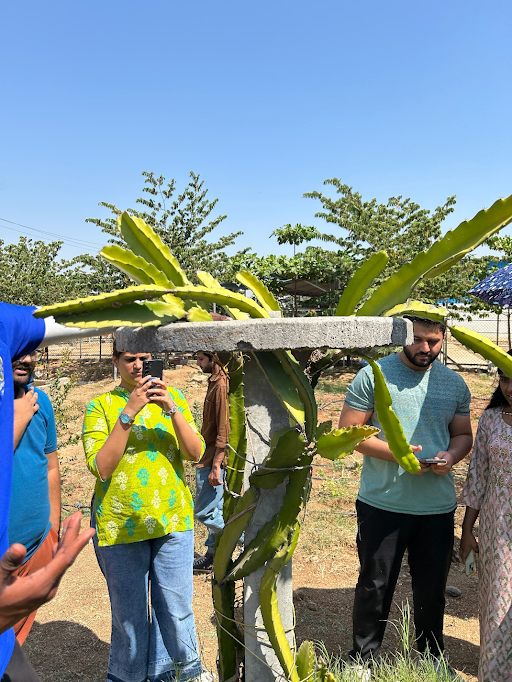
12. Dragon Fruit– A cactus-family plant (but not a true cactus) that thrives in desert climates and requires support to grow.
13. Rudraksha – A rare plant in India, producing sacred beads used for meditation; fruits are greenish-red drupes, growing in cold climates at 1,000-2,000m altitudes.
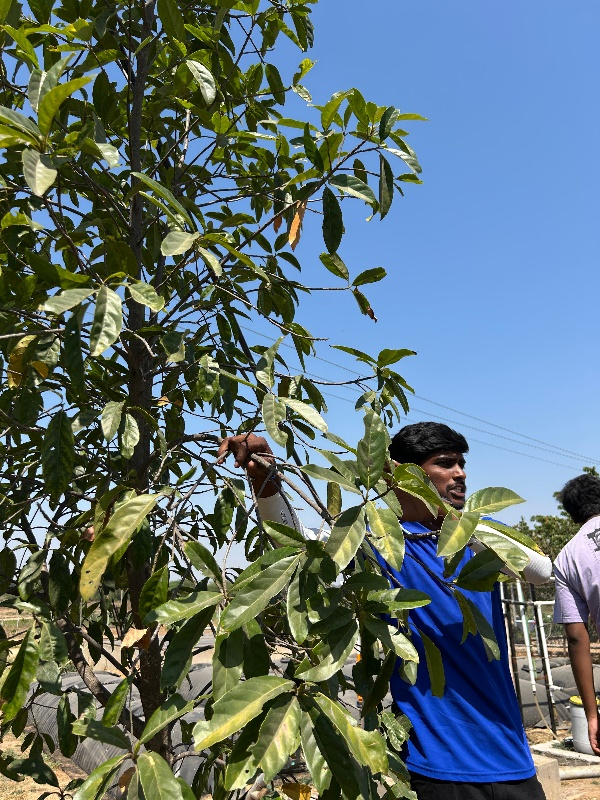
14. Reetha (Soapnut) – A plant whose fruits are traditionally used by women as a natural shampoo.
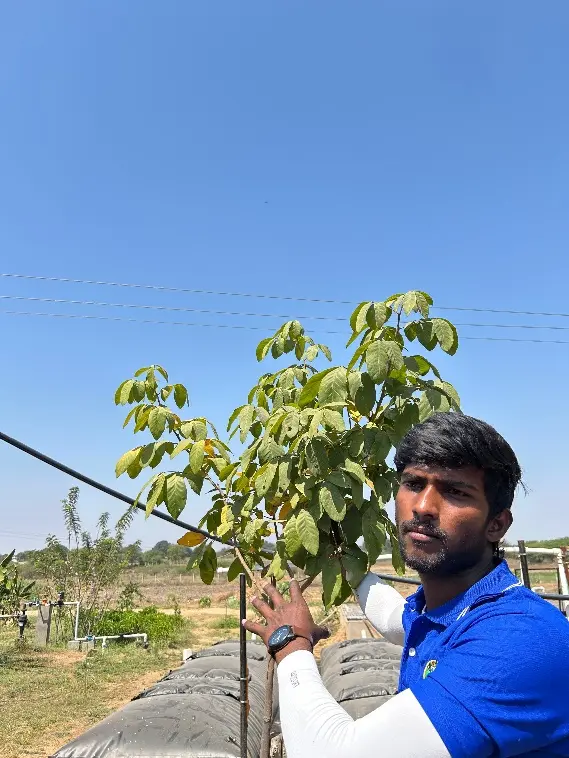
15. Ashwagandha– A powerful medicinal herb cultivated in EVP gardens without pesticides or fertilizers.
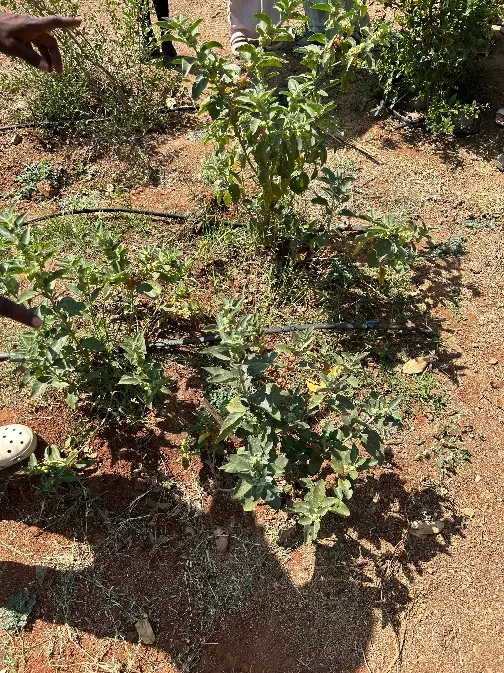
16. Tej Patta (Indian Bay Leaf) – A spice leaf that requires drying before use, commonly added to biryanis and curries for flavor.
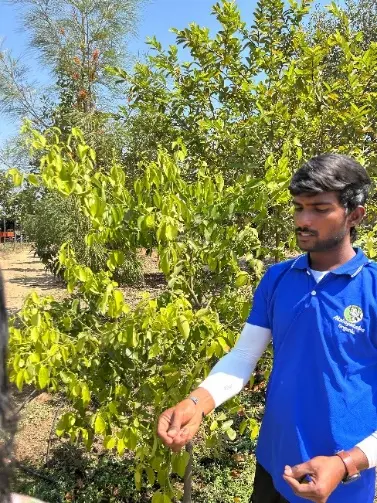
17. Bael Patra (Wood Apple Leaf) – A sacred plant with 9-12 leaves per stalk, revered in Hindu rituals, though it doesn’t bear flowers or fruit in some varieties.
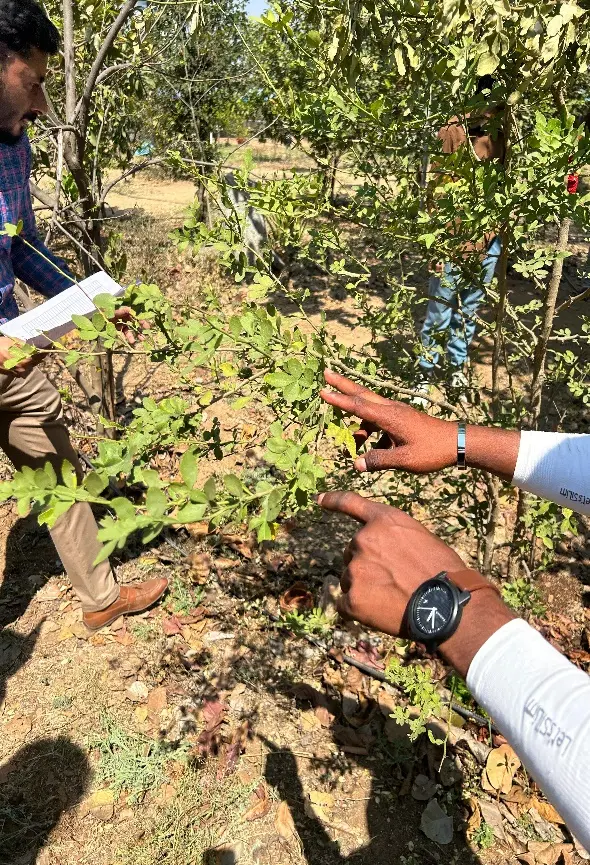
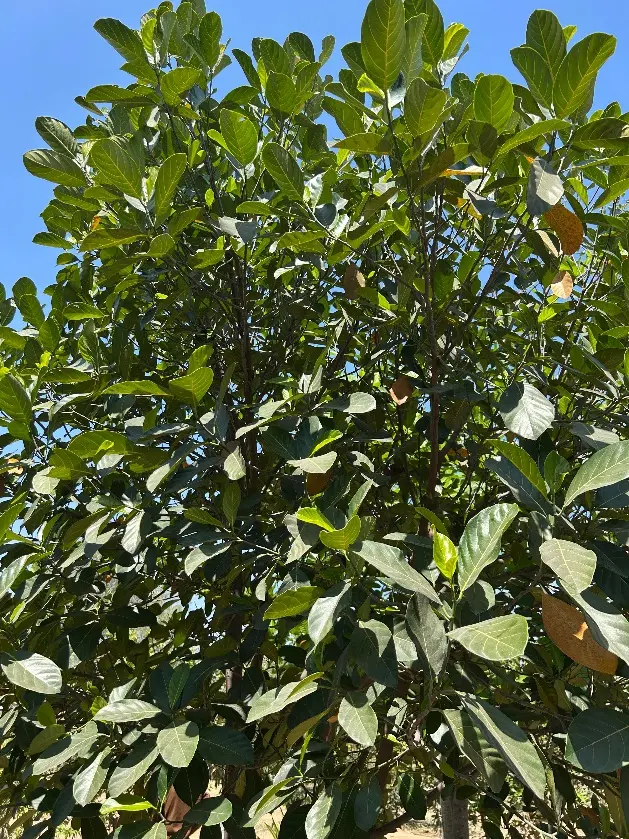
18. Jackfruit – The largest tree-borne fruit, known for its fibrous, sweet flesh and strong aroma.
19. Three Trees Growing Together (Tamarind, Peepal, Banyan)– A 100-year-old natural occurrence where seeds were likely dispersed by birds or the wind.

20. Teak Wood– Known for its durable timber, teak also produces Sky Fruit, which grows upward and is believed to help manage diabetes; Akshayakalpa follows a policy of not cutting trees to prevent deforestation.
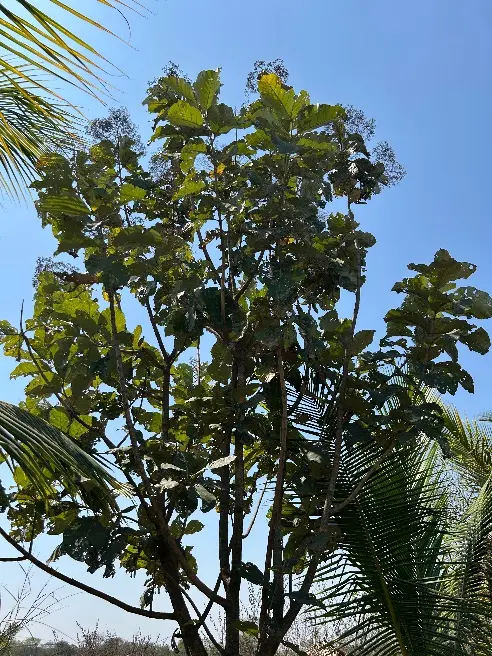
21. Fig (Anjeer)– Figs have a unique pollination process where a female wasp enters the fruit to lay eggs and dies inside, making it technically non-vegetarian; enzymes in the fig break down the wasp, integrating it into the fruit.
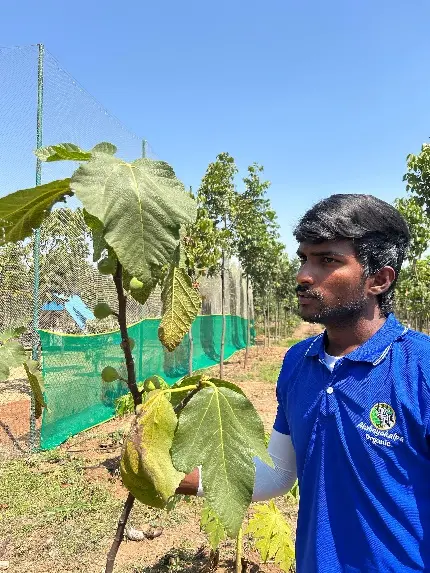
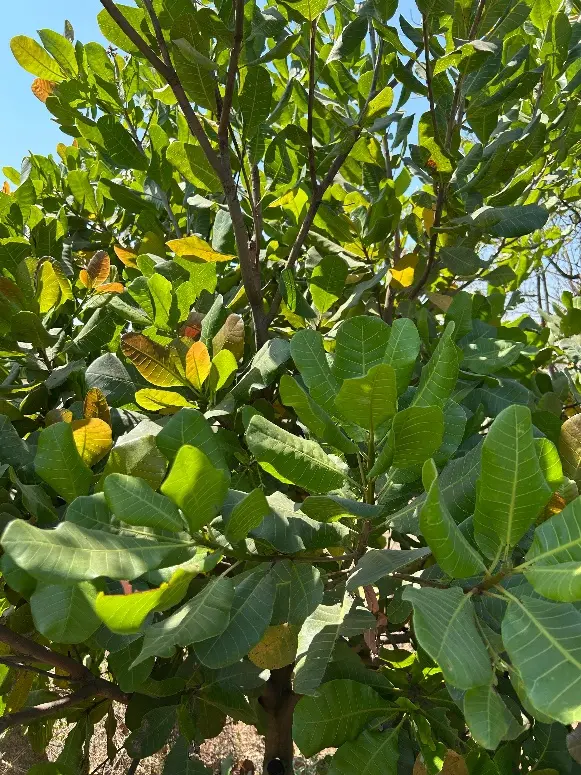
22. Cashew (Kaju) – Both the cashew nut and its fruit (cashew apple) are edible; it grows in coastal regions, and its leaves have a scent similar to mango and guava.
Poultry farm
Akshayakalpa’s poultry farm currently has 30 hens but is planning to expand to 1,000 hens in the future. Unlike conventional farms, they follow a free-range system, where hens are not tied or caged, allowing them to roam freely.
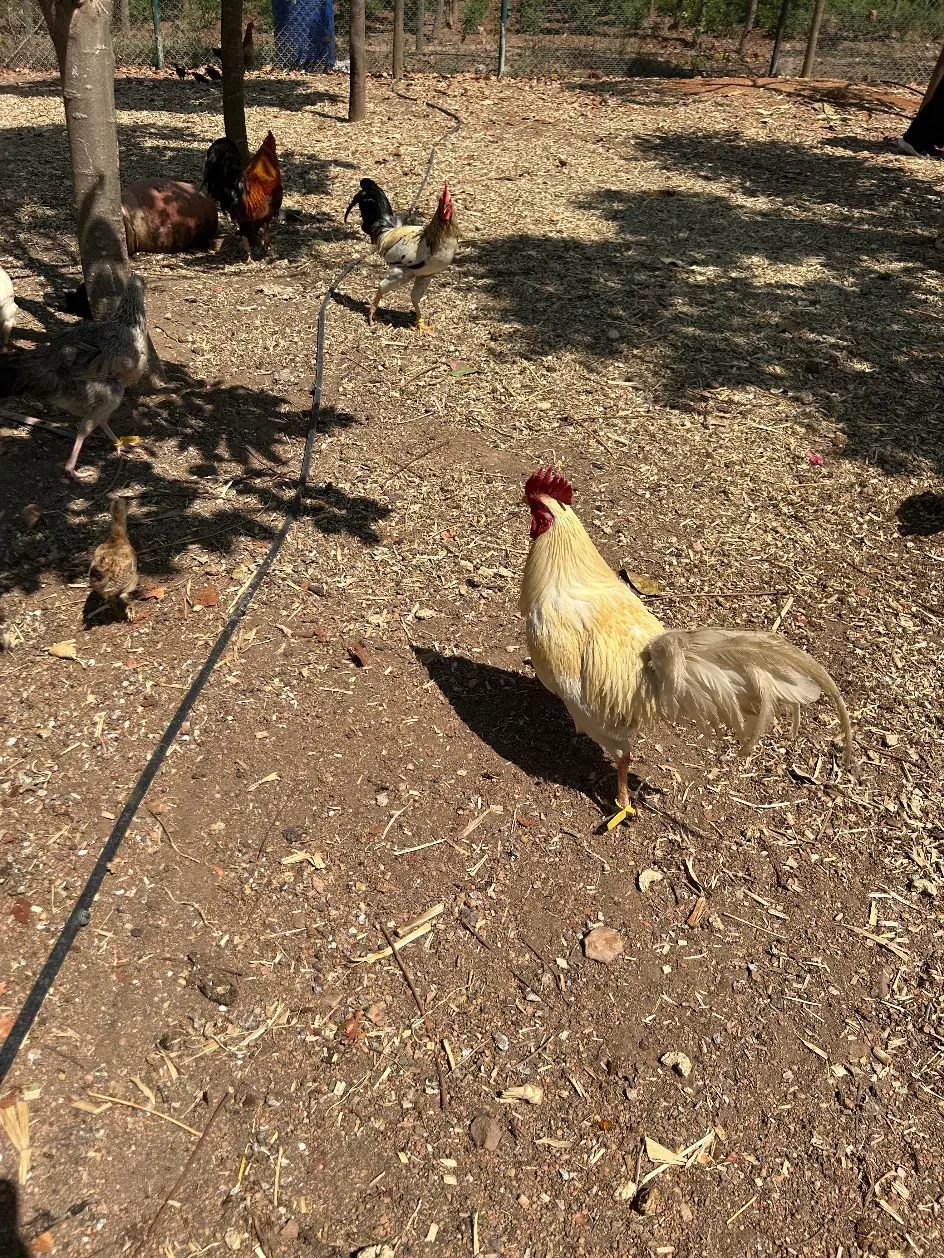
One of the breeds they rear is Kadaknath, a unique breed from Madhya Pradesh known for its black meat, high nutritional value, and medicinal properties. The meat contains high protein, low fat, and essential amino acids, making it highly valued.
Eggs can be categorized into two types based on fertilization:
Technological Innovations at Akshayakalpa
1.Specialized Dustbins for Raw Waste: Akshayakalpa utilizes dedicated dustbins designed exclusively for raw organic waste. These bins are equipped with tiny holes that facilitate aeration, accelerating the composting process and minimizing odors. Cooked waste is managed separately to ensure efficient decomposition and hygiene.

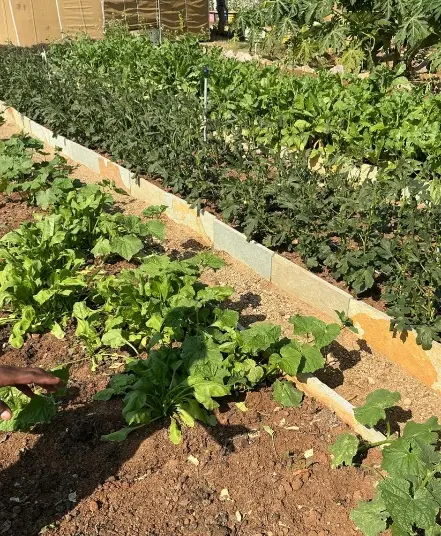
2. Raised Bed System for Vegetables: The farm has 200 raised beds, each 1 foot high, improving drainage, nutrient retention, and erosion control. They grow 25 vegetable and fruit varieties, yielding 22-23 kg per bed. Natural pesticides like neem oil and cow urine are used, while sunflowers act as trap crops to attract insects. A 1-foot gap between beds ensures airflow and accessibility.
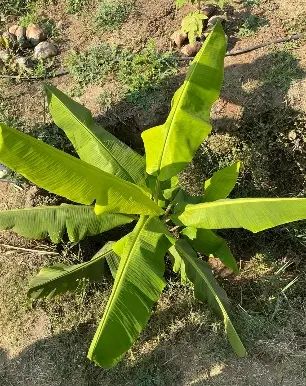
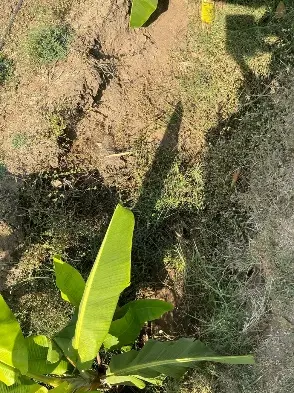
3. Banana Trenches for Rainwater Harvesting: Banana trenches are implemented to harvest rainwater, enhancing soil moisture and fertility. These trenches act as buffer zones, preventing soil erosion and retaining nutrient-rich topsoil.
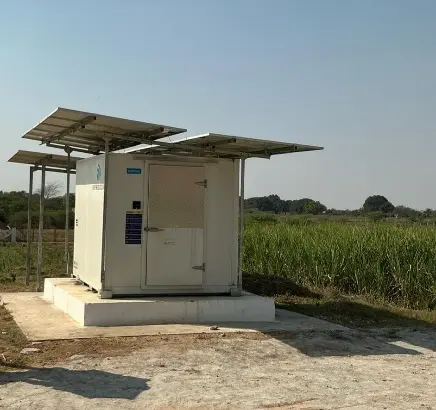
4. Cold Storage Facilities: To manage surplus produce, Akshayakalpa has cold storage units that preserve excess vegetables and fruits from Bangalore for 3-4 days, reducing food waste and ensuring fresh supply.
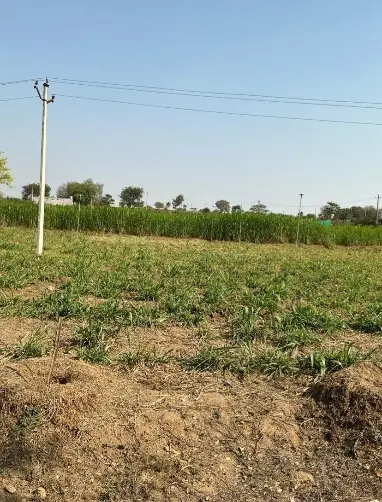
5. Paddy Cultivation: The farm cultivates 2 acres of Sona Masoori rice, primarily for their canteen. By adopting unique techniques, they increased their yield from 23 bags on 8 acres to 63 bags on the current 2 acres. The canteen serves Rajamudi rice, an 80-year-old unpolished, sugar-free variety historically used to pay taxes to kings.
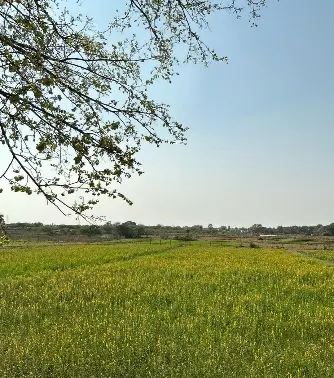
6. Fodder Production for Livestock: Seventeen acres are dedicated to growing nutrient-rich fodder for cows and buffaloes. The grass is stored in bunkers for 45 days, allowing cellulose to break down, facilitating easier digestion for the animals. Varieties include Super Napier, BHN, and BHNM.
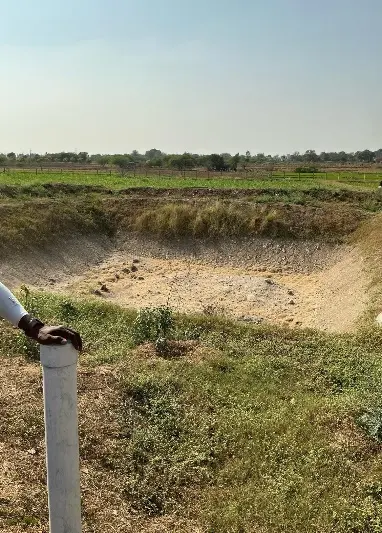
7. Rainwater Harvesting Pond: Excess water from banana trenches is directed to a rainwater harvesting pond. Despite having four borewells, this system provides an additional 2-3 lakh liters, emphasizing the importance of sustainable water management.
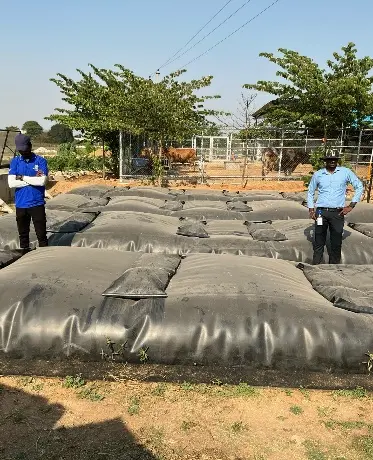
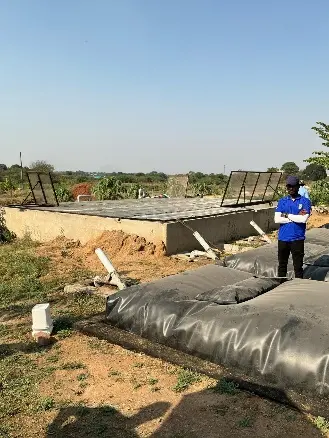
8. Biogas Unit: Cattle dung is processed in a biogas unit with a 1:2 dung-to-water ratio. The anaerobic digestion in high-density polyethylene (HDP) chambers produces methane gas, used for cooking in the kitchen. The resultant slurry serves as a nutrient-rich liquid manure for crops, ensuring zero waste.
Advanced and Humane Dairy Farming at Akshayakalpa
Akshayakalpa Organic employs advanced and humane technologies in their dairy farming practices to ensure the well-being of their livestock and the quality of their milk.
Cow Breeds and Stress-Free Environment
The farm houses three primary breeds:
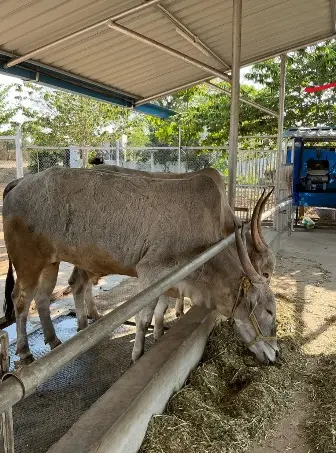
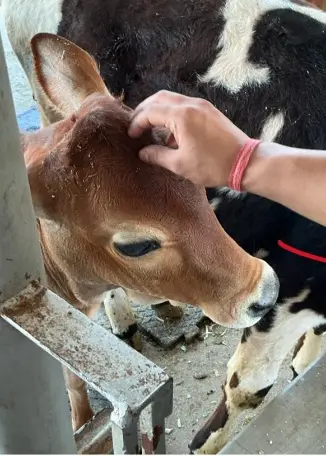
At Akshayakalpa, cows are never tethered; they roam freely in a stress-free environment. This freedom promotes better hormonal balance, leading to increased milk yield and improved quality.
Buffalo Shelter and Hygiene
Buffaloes are provided with shelters similar to those of cows, ensuring comfort and freedom of movement. The farm maintains stringent hygiene standards, with regular cleaning routines to prevent infections and ensure the health of the animals.
Modern Milking Techniques
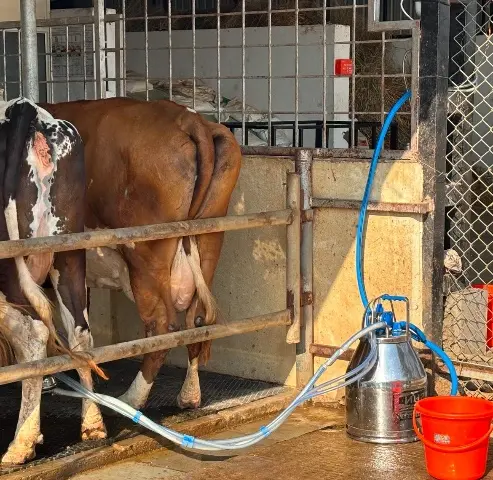
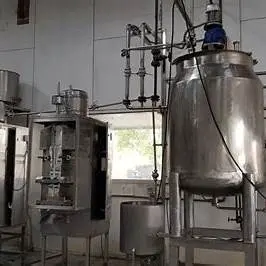
Milking is conducted using state-of-the-art machines that mimic the natural suckling action of a calf, ensuring a gentle and pain-free experience for the cows. Before and after each milking session, udders are thoroughly cleaned and disinfected to maintain milk purity. These systems can efficiently milk up to 25 cows within 1.5 hours and are equipped with sensors to monitor body temperature, milk quantity, and detect any infections. The data is transmitted to a central server for continuous monitoring.
Ear Tagging and Animal Monitoring
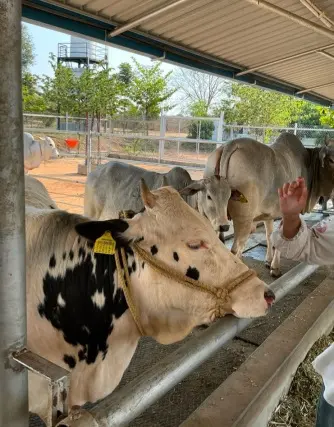
Each animal is fitted with an ear tag containing a unique identification number. Scanning these tags provides comprehensive details about the animal, including health records, milk production data, and breeding history. This system allows for precise monitoring and management of each cow's health and productivity.
Through the integration of these technologies, Akshayakalpa ensures the welfare of their animals and the delivery of high-quality, organic milk to consumers.
Products and Services Offered by Akshayakalpa
Akshayakalpa deals with a wide range of organic dairy and farm products, which include:
Akshayakalpa grows over 45 varieties of organic fruits and vegetables, including seasonal produce. They also focus on increasing soil carbon content by using organic manure to boost crop health.
Additional Services:
Sustainable Activities and Business Management Practices
Akshayakalpa engages in several sustainable agricultural practices that align with their business model and values:
Akshayakalpa differentiates itself from competitors in the following ways:
Promotion and Commercialization of Organic Products
Akshayakalpa promotes its organic products through several channels:
Future Growth and Expansion of Akshayakalpa
Sustainable Business Practices in Agriculture
Sustainable agricultural practices involve using methods that do not deplete natural resources, improve soil health, and reduce environmental harm. Some sustainable practices include:
The market for sustainable agriculture is growing as consumers become more conscious of the environmental impact of conventional farming. With the increasing demand for organic and eco-friendly products, this industry has vast growth potential.
Description of the Visit to Akshayakalpa Farm
The visit to Akshayakalpa Farms was an enriching experience. We were welcomed by the team, and Anil Kumar, our speaker, provided an insightful overview of the company's operations and sustainable practices. He guided us through the facilities, explaining how Akshayakalpa integrates organic farming into every aspect of their business.
We visited the dairy farm where cows are raised organically, and we learned about the process of milking and the care taken to ensure the animals are healthy and free from hormones and antibiotics.
We also toured their vegetable and fruit farms, where we saw the techniques used to grow over 45 varieties of produce. We witnessed the use of organic manure and water-saving methods such as coconut shells and drip irrigation systems. The company’s commitment to sustainable farming practices was evident throughout the visit.
Additionally, we had the opportunity to see the rainwater harvesting systems and methane gas production units, which are used for cooking fuel. The visit was a great opportunity to learn how Akshayakalpa is revolutionizing farming in India by promoting organic farming and empowering farmers.
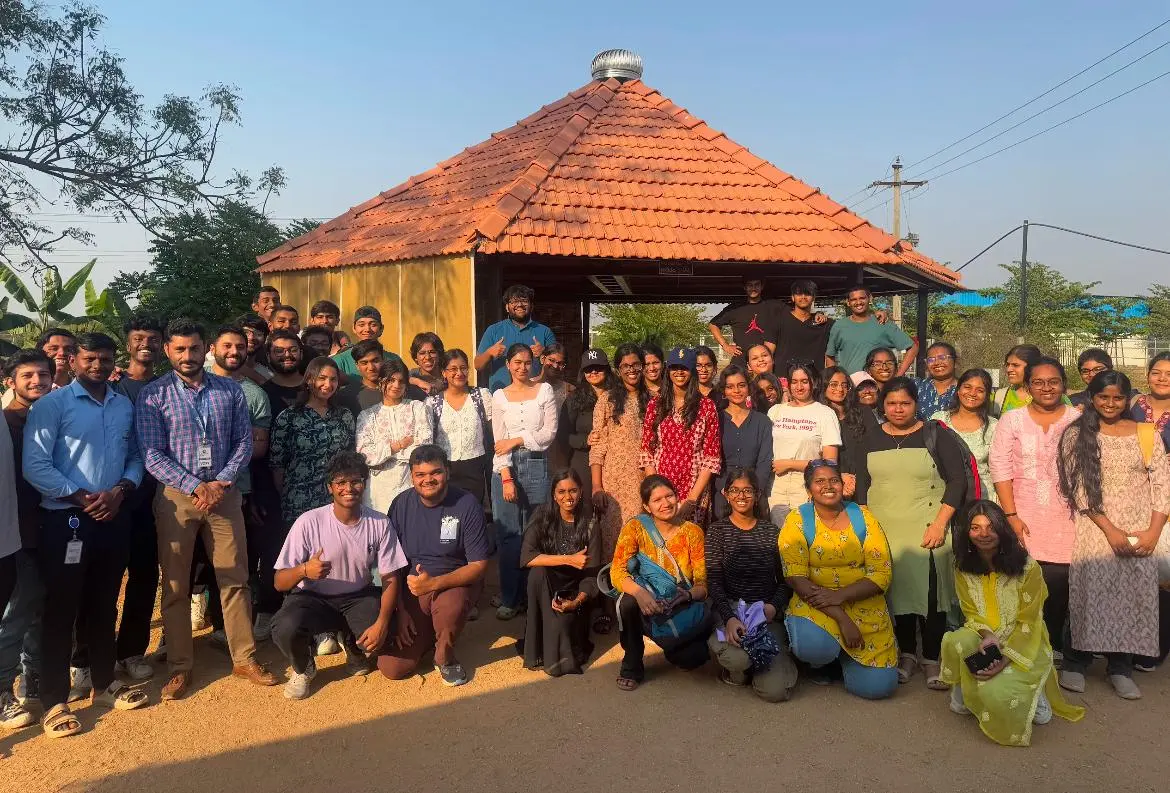
(Group photo of Batch 2023-27)
Conclusion :
Akshayakalpa Farms & Foods Pvt Ltd is a leader in organic farming, offering high-quality, sustainable food products. Through their innovative farming practices and dedication to supporting farmers, Akshayakalpa sets itself apart from its competitors. Their commitment to organic, sustainable farming practices is commendable and sets a standard for the industry. The company is well-positioned for future growth and expansion, and its practices can serve as a model for others in the agricultural sector.
© 2022 SCMS Hyderabad. All Rights Reserved.
Designed & Developed by SRV Media